






















































Effective Methods for Combating the Lesser Grain Borer
Small beetles in the pantry, fine flour dust in packaging, or nibbled grains? Then it is worth taking a closer look: The lesser grain borer is a typical stored-product pest that can spread quickly in dry food, pet food, or stored grain. To combat the lesser grain borer and prevent a new infestation, you need to follow a consistent approach: identify the cause, detect the infestation, combine measures, and then take steps for long-term prevention.
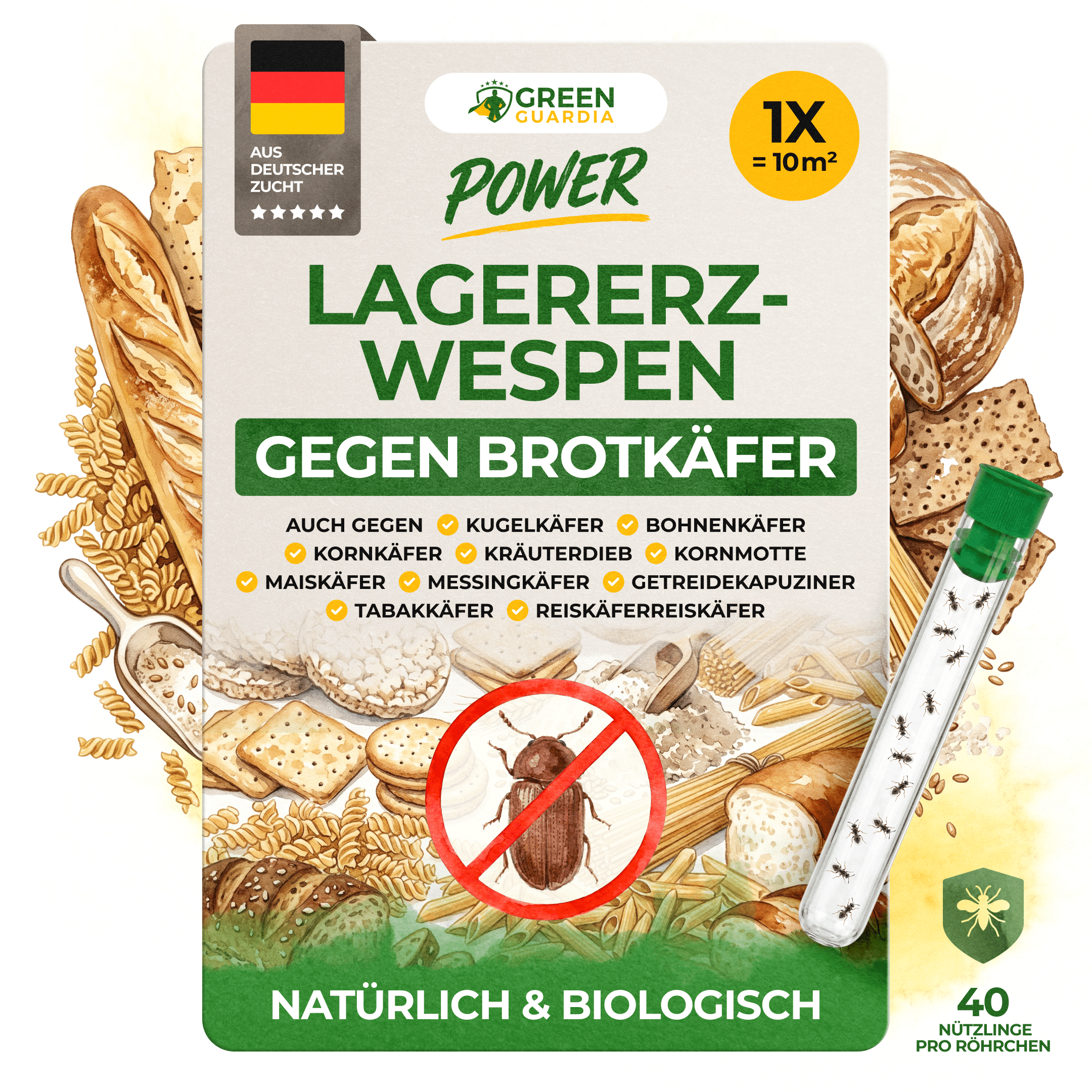
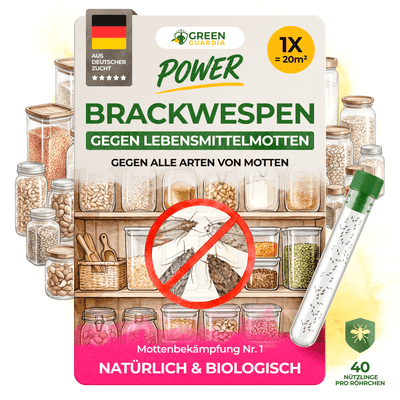
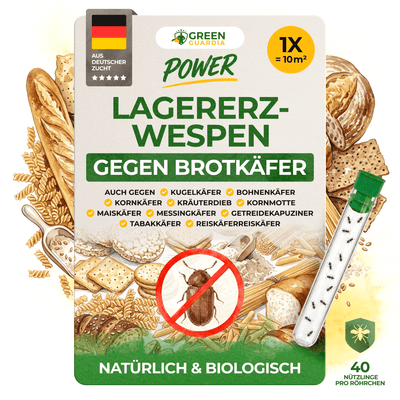
A combination of monitoring (early detection) and targeted, biological control is particularly effective. For example, using a beetle trap with a special attractant to monitor the infestation, alongside Lariophagus distinguendus (parasitic wasps) as beneficial insects to target hidden development stages in your stores, works well.
Causes: Where do lesser grain borers come from?
In most cases, the lesser grain borer is introduced – e.g., through already infested food packaging, bags of feed, dry goods, or storage containers. Common risk factors include: long storage times, warm storage areas, open packaging, and hard-to-see corners in the cupboard.
Which products are particularly at risk?
- Grain, rice, pasta, flour, semolina
- Legumes, nuts, seeds, spices
- Pet food (dogs, cats, rodents, birds)
- Birdseed and mixed feed stored in the basement or garage
🪲 Tip: If you are not sure whether it really is the lesser grain borer, use a beetle trap with a special attractant for targeted monitoring – this will help you see more quickly if there is still activity in the cupboard.
Detection: How do you identify an infestation?
An infestation often develops unnoticed because larvae and developmental stages can be hidden in packaging, cracks, or storage containers. Therefore, watch out for typical signs.
Typical signs of a lesser grain borer infestation
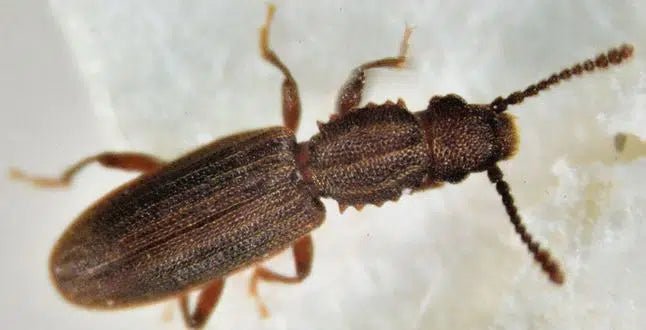
- Small, brownish beetles in the pantry or on windowsills
- Fine dust/“flour film” in or around packaging
- Nibbled grains, traces of crumbs, unusual odor
- Recurring findings despite "cleaning up"
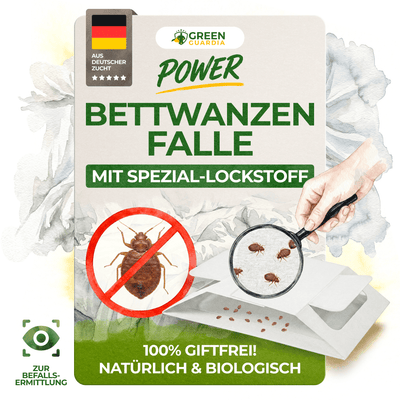
Monitoring is helpful for a reliable assessment: place a beetle trap with a special attractant near suspicious areas. This allows you to quickly see if the infestation is still active – and whether further steps are necessary.
Control: Measures that really work
If you want to combat the lesser grain borer, a clear 3-step plan works best: remove the source, clean the cupboard hygienically, and target the residual infestation.
1) Find the source of the infestation and dispose of it consistently
- Check all dry goods and feed bags (including unopened packages).
- Seal infested food in airtight bags and dispose of it.
- Do not “transfer” suspicious products – this often spreads the infestation further.
2) Clean the cupboard thoroughly (including cracks!)
- Empty all shelves and vacuum up crumbs and dust thoroughly (including drill holes, rails, and corners).
- Wipe surfaces with a damp cloth (including cupboard edges, door rebates, and gaps).
- Dispose of the vacuum cleaner bag immediately (outside the house) to prevent re-infestation.
3) Biological support: Using Lariophagus distinguendus
After cleaning, a residual problem often remains: hidden development stages that you cannot see. This is exactly where Lariophagus distinguendus (parasitic wasps) can help – as natural beneficial insects to support you in storage areas.
- Gentle product use: Ideal as a supplement after cleaning to reduce residual activity.
- Practical: Can be used discreetly in the cupboard without any “chemical shock” in the food area.
- Important: Continue monitoring in parallel – e.g., with a beetle trap with a special attractant.
For a clean strategy, it has proven effective to: first remove the source, then clean hygienically – and subsequently follow up with Lariophagus distinguendus and monitoring using beetle traps.
Prevention: How to prevent a new infestation
The best prevention is a combination of storage hygiene and smart inventory management. This deprives the lesser grain borer of the basis for re-infestation.
The most important prevention tips
- Transfer dry goods: Into tightly closing glass or plastic containers (not just clip bags).
- First-in-first-out: Use older stock first and avoid long storage times.
- Regular visual inspection: Especially for flour, grain, pet food, and nuts.
- Use monitoring: A beetle trap with a special attractant helps to detect activity early – before it gets out of hand.
Frequently Asked Questions about the Lesser Grain Borer
How long does it take for the lesser grain borer to be gone?
This depends on how consistently you remove the source of the infestation and how thorough the cleaning is. With a clear procedure (sorting + cleaning + monitoring), activity can often be reduced quickly. For residual infestations, support from Lariophagus distinguendus (parasitic wasps) can help reduce hidden development stages.
Which measure works fastest?
The fastest effect is achieved by consistently removing infested products and thoroughly cleaning all cracks. Monitoring is useful afterwards – e.g., via a beetle trap with a special attractant, so you can see for certain if there is still activity.
Are beetle traps in the pantry useful?
Yes – especially for monitoring. A beetle trap with a special attractant helps to detect an infestation early and check the success of your measures. Important: traps do not replace cleaning, but they are a very good monitoring tool.
How do I prevent the infestation from coming back?
Store dry goods in airtight containers, avoid long storage times, consistently check pet food, and keep the cupboard clean. Additionally, monitoring with a beetle trap can help detect a new infestation very early.
Take action now:
If you discover beetles in dry goods, it is best to act immediately: remove the source of the infestation, clean the cupboard thoroughly, and then monitor it intelligently. For an effective, natural strategy, many households combine a beetle trap with a special attractant with biological support through Lariophagus distinguendus (parasitic wasps) – this way, you protect your food supplies long-term and sustainably.