






























































Effective Garden Chafer Control: Natural and Sustainable Methods
Are parts of your lawn suddenly turning yellow and peeling off like a carpet, or do your plants look limp despite watering? The culprit is often invisible and hiding in the soil: the larvae (grubs) of the garden chafer. The good news is that you can combat the garden chafer with smart, natural measures – sustainably, without unnecessary chemicals, and with a focus on healthy soil.
A particularly proven, biological solution for targeted application against larvae living in the soil is HB nematodes. They help reduce pest pressure in the ground – ideal for lawns, flower beds, and ornamental plants.
Causes: Where do garden chafers come from?
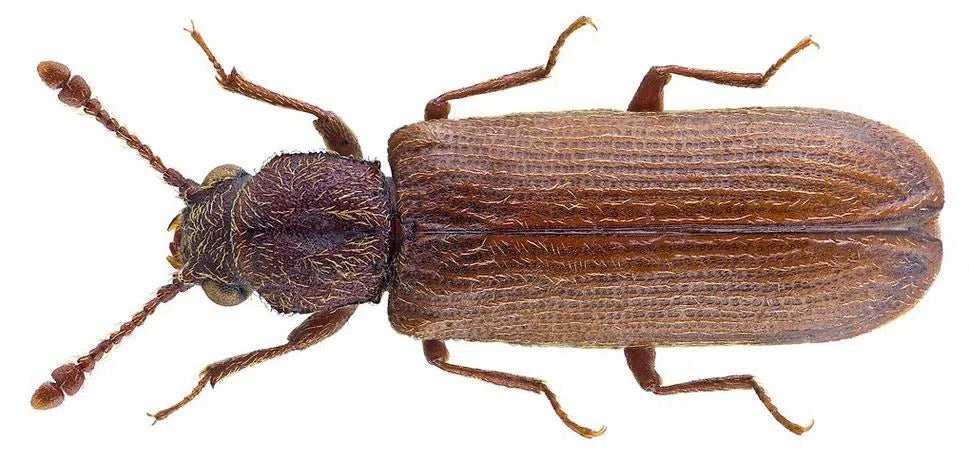
The garden chafer (Phyllopertha horticola) is primarily found in gardens, lawns, and green spaces. The actual cause of damage is not the adult beetles, but their larvae (grubs), which live in the soil and feed on roots. This makes it difficult for grasses and plants to absorb water and nutrients – typical symptoms include yellow patches, stunted growth, and an overall weakened area.
Why grubs in the lawn are so problematic
- Root damage: Turf loses its hold and dries out faster.
- Secondary damage: Birds or hedgehogs often dig for grubs, tearing up the lawn.
- Hidden infestation: The damage occurs “from below” – it is often only discovered late.
Detection: How do you identify an infestation?
An infestation of garden chafer grubs is usually first visible on the lawn. The earlier you spot the signs, the easier it is to take targeted action.
Typical signs of garden chafer grubs
- Yellow, dried-out patches in the lawn despite sufficient watering
- Lawn can be easily lifted (poor root hold)
- Feeding marks or bare spots in flower beds or on ornamental plants
- Torn-up areas caused by birds, hedgehogs, or other animals hunting for grubs
🪱 Tip: If you are unsure, cut out a small piece of lawn from a damaged area (approx. 10 × 10 cm) and check the top few centimeters of soil. If you find several grubs, it is worth taking action – e.g., with HB nematodes.
Control: Natural methods that really help
If you want to combat the garden chafer, the key is to target the grubs in the soil while simultaneously strengthening the lawn. Natural measures address exactly that – without putting unnecessary stress on the area.
1) Biological intervention: HB nematodes against grubs
HB nematodes are tiny, natural beneficial organisms that become active in the soil. They are applied with water, allowing them to reach the locations where the grubs are hiding. This makes this method particularly suitable for lawns and beds where the infestation is “hidden” in the ground.
- Application: Apply with a watering can or spraying/irrigation system – the more evenly, the better.
- Important: The soil should not dry out – keep it evenly moist for a few days after application.
- Goal: Reduce grubs in the soil and restore the lawn's ability to regenerate.
Especially in cases of recurring grub infestation, a regular, clean strategy is sensible – and HB nematodes are one of the most practical biological options for this.
2) Mechanical measures: Strengthening the lawn & soil care
- Scarifying & Aerating: Improves oxygen supply – lawn becomes more resilient.
- Overseeding: Close up bare spots so that damage does not spread.
- Organic soil improvement: Active soil supports the regeneration of grass roots.
3) Promote natural garden balance
A natural garden helps keep pests in balance over the long term. The more diverse the ecosystem, the more stable the area will be.
- Diversity in the garden: Flowering areas, hedges, and natural corners attract beneficial insects.
- Don't “over-maintain” the lawn: Constant stress makes grass more susceptible.
- Regular inspection: Detect early instead of repairing late.
Prevention: How to protect your lawn and beds sustainably
When it comes to the garden chafer, prevention mainly means promoting vital soil and minimizing risks that favor grubs. This way, your lawn stays dense – and damage occurs less frequently.
The most important prevention tips
- Keep the lawn healthy: fertilize in a balanced way, mow regularly, do not let it dry out.
- Improve soil structure: loosen compacted areas (aerify), avoid waterlogging.
- Check damaged areas early: If there are yellow spots, check briefly whether grubs are present.
- Plan biologically: In case of recurring infestation, use HB nematodes in time – especially if grubs appear regularly.
Frequently Asked Questions about the Garden Chafer
How do I recognize garden chafer grubs in the lawn?
Typical signs are yellow, dry-looking patches that can be lifted easily because the roots are damaged. If you cut out a small piece of lawn from a damaged area and find several grubs, an infestation is likely. In that case, a targeted soil measure like HB nematodes can be useful.
What is the difference between garden chafer and cockchafer grubs?
Both live as grubs in the soil and feed on roots – the damage patterns can look similar. They often differ in terms of location (lawns/green spaces) and the time of year they are active. In practice, the most important thing is that you recognize grubs early and take targeted action rather than waiting.
How do I apply nematodes in the garden correctly?
Apply the nematodes with water (e.g., using a watering can) and make sure that the soil does not dry out. Even application and keeping the area moist afterward are particularly important so that the beneficial organisms can become active in the soil. Details and instructions can be found directly on the product page for HB nematodes.
How long does it take for the lawn to recover after a grub infestation?
That depends on the severity of the infestation, the weather, and maintenance. If the pest pressure in the soil decreases and you overseed, an area can often visibly recover within a few weeks to months. It is important to optimize lawn care (watering, overseeding, soil aeration) in parallel.
Take action now:
If you notice yellow spots in the lawn or weakened plants, check for grubs early – and take targeted action. With thorough soil care, a stable lawn strategy, and a biological application like HB nematodes, you can combat the garden chafer and sustainably protect your green spaces.