


























































Effective methods against cabbage crane flies: Natural plant protection made easy
Are your young cabbage plants suddenly tipping over, struggling to grow, or looking like they’ve been “cut off”? Often, this isn't caused by a visible pest on the leaves, but by a problem in the soil: the cabbage crane fly and its larvae. The good news is that with targeted natural plant protection and the right measures, you can significantly reduce the level of infestation—without harsh chemicals and with a plan that really works.
Causes: Where do cabbage crane flies come from?
Cabbage crane flies (often simply perceived as "crane flies") prefer to lay their eggs in moist, loose soil—especially where cabbage or other cruciferous vegetables are growing. The decisive factor is not the adult insects, but the larvae: they live in the soil and can feed on fine roots and plant stems. This weakens the plants, especially during the young plant stage.
Contributing factors in the garden
- Moist locations, heavy soils, or waterlogging
- Dense planting and poor air circulation in the bed
- Lots of organic residue in the soil (e.g., mulch layers, harvest residues)
- Mild weather and prolonged wet periods
Recognition: How to tell if you have a cabbage crane fly infestation?
An infestation is often only noticed when plants suddenly start to weaken. Since the larvae are in the soil, it is worth taking a close look at the damage pattern and the area around the root collar.
Typical signs
- Young plants wilt despite sufficient water
- Plants grow unevenly or are significantly stunted
- Cabbage plants tipping over (especially after damp nights)
- Upon inspection: damaged roots or gnawed areas at the plant base
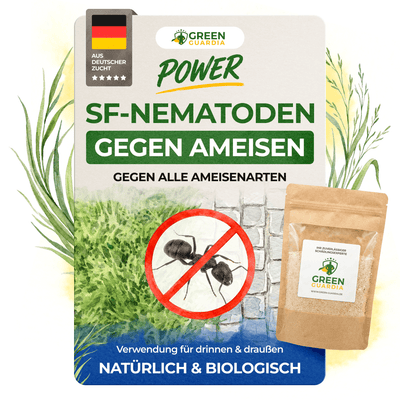
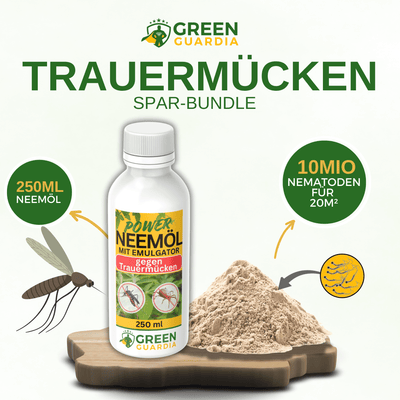
🐞 Tip: Check affected plants early on. If you suspect larvae in the soil, a targeted soil treatment is often more effective than foliage treatments alone. For natural support, SC nematodes are ideal, as they are applied to the soil and target the source of the infestation directly.
Control: Natural measures that really help
A combination of bed management, targeted soil care, and biological beneficials is particularly effective against cabbage crane flies. This allows you to protect your plants without disrupting the ecological balance in your garden.
1) Improve soil conditions
- Avoid waterlogging: Loosen the soil, structure it with sand/compost if necessary, and improve drainage.
- Water evenly: Better to water in the morning than in the evening so the surface dries out faster.
- Remove harvest residues: Plant waste and thick mulch layers can keep the soil permanently moist.
2) Protect young plants (especially important)
- Use crop protection nets or fleece to make it harder for pests to lay eggs.
- Use vigorous plants: Robust young plants are less susceptible than very small seedlings.
- Keep the bed clean: Reduce weeds so there are fewer damp hiding places.
3) Biological soil aid: Targeted use of nematodes
If you suspect soil-dwelling larvae, SC nematodes are a particularly useful, natural form of support. They are applied with water and distribute themselves in the moist soil—exactly where the larvae are active. It is important to apply them correctly so the beneficial organisms can work optimally.
How to apply them reliably
- Moisten the soil well before application so the nematodes can move.
- Mix the nematodes into water and apply evenly (e.g., with a watering can).
- Water again after application to ensure they reach the upper soil layer.
- Keep the soil slightly moist in the following days (do not let it dry out).
- Avoid direct, bright sunlight during the application phase (ideal: morning/evening).
✅ Practical note: Plan the application so that the soil does not dry out for several days. For targeted, natural support, you can find the right SC nematodes here.
Prevention: Keep your cabbage bed stable long-term
Prevention is especially valuable when dealing with soil pests. If you manage your garden so that it doesn't remain permanently moist and “larva-friendly,” you will noticeably reduce the risk—and strengthen plant health at the same time.
Proven preventive measures
- Crop rotation: Do not grow cabbage in the same spot every year.
- Improve soil structure: Loose soil with good drainage instead of permanently damp compaction.
- Optimize irrigation: Water specifically in the morning rather than leaving the soil “wet at night.”
- Garden in a way that encourages beneficials: Promote diversity so that natural predators can become established.
- For recurring problems: consider SC nematodes as a supporting, natural measure.
Frequently asked questions about cabbage crane flies
What exactly damages my cabbage plants – the crane fly or the larva?
In practice, it is usually the larvae in the soil that weaken the plants. The adult insects are often only visible for a short time—what happens in the soil is what really matters. This is why soil-based measures, e.g., with SC nematodes, are often particularly effective.
When is the best time for natural measures?
As soon as you recognize the first symptoms or, in cases of recurring problems, early in the season when young plants are being set. It is important that the soil does not dry out so that your biological helpers can work optimally.
How do I prevent the infestation from returning every year?
Focus on crop rotation, improve soil structure (drainage, loosening), reduce permanently moist conditions, and check beds regularly. For known problem areas, SC nematodes can be a useful, natural component of your overall strategy.
Can I apply nematodes with a watering can?
Yes, that is a common method. It is important to ensure an even distribution, pre-moisten the soil, and water thoroughly afterwards. This ensures the nematodes reach the upper soil layer where they are needed.
Take action now:
If you suspect cabbage crane flies in your bed, start with a consistent root-cause analysis (soil moisture, location, old residues) and combine protective measures for young plants with a targeted soil strategy. For natural soil support, you can find our SC nematodes here—ideal for sustainably reducing infestation pressure and stabilizing your cabbage crop.


