




























































Drugstore Beetles: Natural methods for control and prevention
Little beetles in the kitchen, fine flour-like powder in the pantry, or tiny holes in packaging? If so, it’s worth taking a closer look: The drugstore beetle is one of the most common pantry pests in the household. If you want to get rid of drugstore beetles, acting quickly is important – at the same time, it is also about finding the root cause and preventing infestations in the long term. In this guide, you will learn how to identify drugstore beetles, which measures actually help, and how to use natural solutions for prevention.
Causes: Where do drugstore beetles come from?
Drugstore beetles (Stegobium paniceum) usually enter the home via already infested food – common targets include flour, bread, pasta, spices, tea, herbs, pet food, or dried products. The larvae develop hidden away in packaging, cracks, or storage containers. Warmth, lack of disturbance, and an abundant food supply encourage breeding – especially in kitchens, larders, or pantries.
Typical risk factors in the home & kitchen
- Open supplies or thin paper/cardboard packaging
- Rarely cleaned crevices, cabinet joints, or areas with crumbs
- Heat sources (oven, back of the refrigerator, near radiators)
- Bulk storage without regular checks (first-in, first-out)
Detection: How do you know if you have a drugstore beetle infestation?
The tricky thing is: Often you don't see the beetles themselves at first, but rather traces. Drugstore beetles are small, brownish, and primarily active at twilight. Larvae and feeding damage on supplies are much more noticeable. The earlier you detect drugstore beetles, the faster the infestation can be contained.
- Small, brown beetles (2–3 mm) in cabinets, on windows, or near lamps
- Fine powder/“dust” in packaging or on shelves (feeding debris)
- Tiny holes in paper, cardboard, or thin plastic packaging
- Larvae/webbing in dry food or in crevices
🐞 Tip: If you suspect an infestation, a targeted check helps: Inspect all dry goods individually, shine a light into cabinet joints, and immediately remove any infested items. A trap also quickly shows whether there is still activity.
Control: Natural measures that really work
Getting rid of drugstore beetles works best with a clear 3-step plan: Remove the source, thoroughly clean the cabinets, and monitor/reduce using traps and beneficial organisms. This prevents new generations from developing.
1) Consistently sort out infested food
- Check all suspicious supplies (flour, pasta, spices, tea, pet food, etc.) one by one
- Immediately seal infested items in a bag and dispose of them directly (do not leave them open in the trash can)
- Also critically inspect "unaffected" packages in the immediate vicinity
2) Properly clean the pantry & kitchen cabinets
- Empty cabinets completely, vacuum up crumbs and dust (especially joints, corners, drill holes)
- Wipe down shelves with a damp cloth (mild detergent), then let them dry thoroughly
- Target crevices/joints (e.g., with a brush) – these often harbor eggs and larvae
3) Use traps: Monitor infestation & reduce pressure
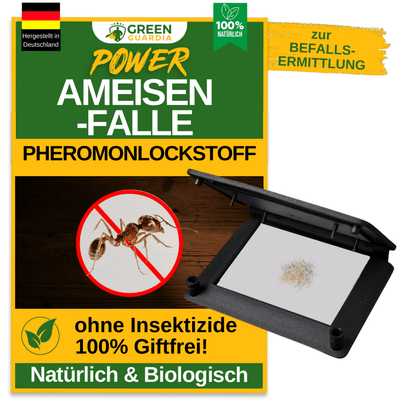
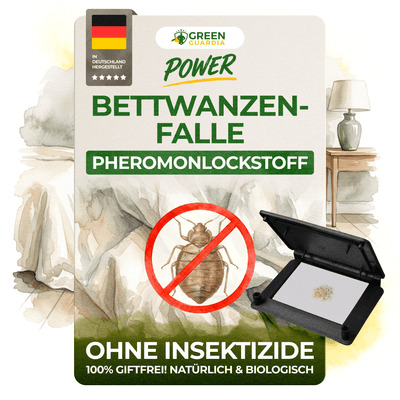
For targeted control, special traps are suitable – not as a replacement for cleaning, but as an extremely helpful tool to check for activity and lower the infestation pressure. For example, our drugstore beetle trap with special attractant is very practical. If you also want to specifically target adult beetles, a drugstore beetle trap with pheromone lure can also be useful.
Place traps where you suspect activity: pantry, storage cabinet, near dry products – but not directly next to open food. This way, you can quickly see if beetles are still present and if your measures are working. For everyday use, a combination of monitoring via special attractant traps and targeted control via pheromone traps proves effective.
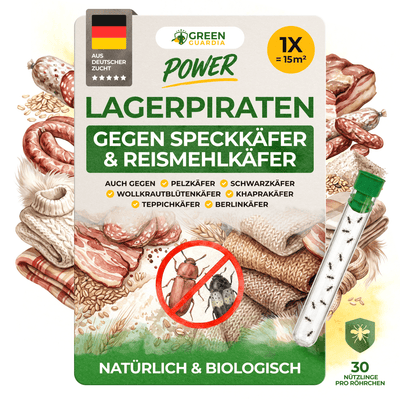
4) Introduce beneficial organisms: Larval parasitic wasps as natural help
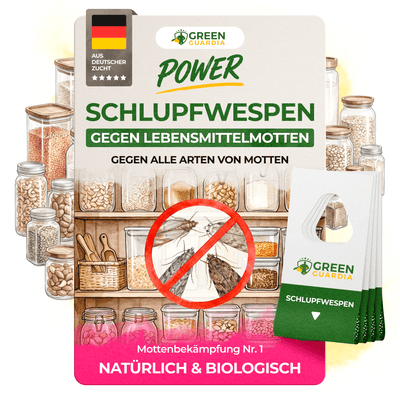
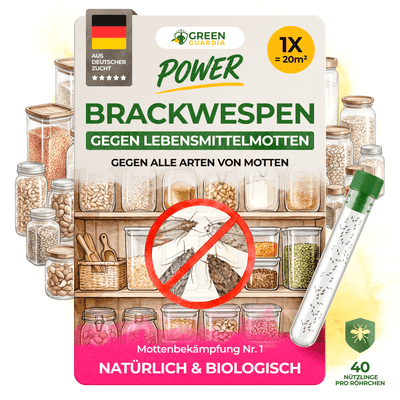
If you want to combat drugstore beetles naturally, beneficial organisms are a particularly sustainable addition – especially if you keep discovering individual beetles despite cleaning. Here, parasitic wasps (Lariophagus distinguendus) support as natural opponents in containment by specifically intervening in the development cycle.
🐞 Tip: You will achieve the best results if you first clean and dispose of items consistently – and then use drugstore beetle traps to check if there is still any activity. In cases of persistent infestation, parasitic wasps are a very sensible supplement.
Prevention: How to prevent drugstore beetles in the long term
Prevention is key when it comes to pantry pests: If you optimize storage and hygiene, the risk decreases significantly. The goal is to deprive drugstore beetles of their food source and to detect new entries early.
Prevention checklist for kitchen & pantry
- Airtight storage: Keep flour, pasta, muesli, and pet food in well-sealing containers
- Regular checks: Briefly check supplies every 2–4 weeks (smell, clumps, dust, holes)
- First-in-first-out: Use older packages first; don’t create "long-term storage"
- Clean crevices: Consistently clean areas where crumbs gather, cabinet joints, and corners
- Monitoring: In risk areas, check early with a pheromone trap or special attractant trap
Frequently asked questions about drugstore beetles
How quickly do drugstore beetles multiply in the pantry?
This depends heavily on temperature and food supply. In warm kitchens, the development cycle can accelerate significantly. That is why quick action is worth it: remove infested goods, clean thoroughly, and check with a drugstore beetle trap to see if activity is still present.
What is the difference between a special attractant and a pheromone trap?
Both traps help with monitoring and reducing activity. Depending on the situation, the special attractant trap can be very practical, while a pheromone trap can be targeted specifically at adult beetles. In practice, they are often used to complement each other.
Is one trap enough to get rid of drugstore beetles?
Traps are very helpful, but they do not replace basic measures: find the source, check supplies, and clean cabinets. Use traps as a monitoring tool (“Is anything still there?”) and for reduction. In case of recurring infestation, supplementing with parasitic wasps can be sensible.
How can I prevent drugstore beetles in the future?
Store dry products in airtight containers, check supplies regularly, and clean cabinet joints consistently. In risk areas, long-term monitoring with a drugstore beetle pheromone trap or a special attractant trap helps to react early.
Take action now:
If you want to combat drugstore beetles, start with the most important step: consistently remove the infestation and thoroughly clean the cabinets. Then, check for activity with a drugstore beetle trap with special attractant or a drugstore beetle trap with pheromone lure. In case of recurring infestation, parasitic wasps support as a natural supplement – for a sustainable solution in the kitchen and pantry.