




























































Effective Pest Control in Wholesale and Retail: Sustainable Solutions for Maximum Product Safety
In wholesale and retail, every hour counts: goods come in, goods go out – and it is precisely in these rapid flows of goods that typical risks for stored product pests arise. Pantry moths and beetles can damage packaging, devalue stock, and lead to complaints. The good news: With a clear system of root cause analysis, monitoring, and targeted, sustainable measures, you can noticeably increase your product safety – without unnecessary disruptions to operational processes.
Causes: How do pests get into branches, warehouses, and central logistics?
Pests are often introduced into retail environments unnoticed – via incoming goods, outer packaging, pallets, returns, or delivered dry goods. Areas where dust, broken goods, or long storage times occur are particularly vulnerable.
- Incoming goods (dry products, nuts, flour, pet food, spices)
- Returns & quarantine areas with changing batches
- Shelf and storage zones with cracks, baseboards, pallet spots
- Waste/empty container areas with organic residue
Detection: Typical signs of infestation in retail
In retail, early detection is crucial: the faster you react, the lower the effort and costs remain. Pay special attention to dry goods shelves, areas near bakery products, warehouse aisles, order picking areas, and changing rooms.
- Webbing or larval skins on cardboard boxes, corners, shelf supports
- Moth sightings (often in quiet zones, in the evening or morning)
- Beetle sightings near windows, lights, or near dry goods
- Bore dust/crumbs in joints, under pallets, or in cardboard folds
Control: Sustainable solutions for maximum product safety
Effective pest control in wholesale and retail follows the principle: control first, then act in a targeted manner. This way, you avoid "blind measures" and can manage processes in an audit-proof and practical way. A particularly proven method is the combination of beneficial insects (for hard-to-reach areas) and trap monitoring (for infestation indication and hotspot identification).
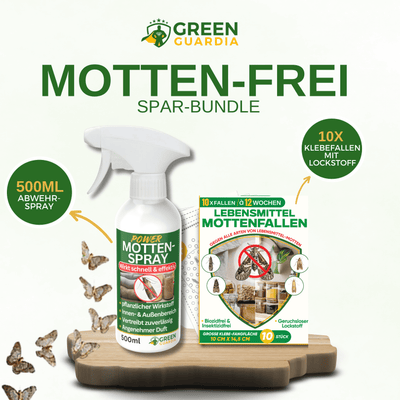
Controlling pantry moths – without disrupting operations
Pantry moths in retail particularly occur where dry products are stored or displayed. A clear monitoring system is crucial, along with a targeted, unobtrusive measure—if necessary—that is also practical in shelf storage or warehouse zones.
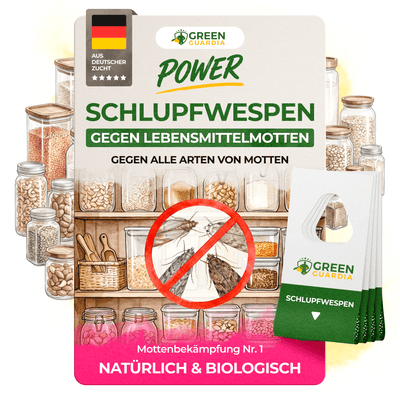
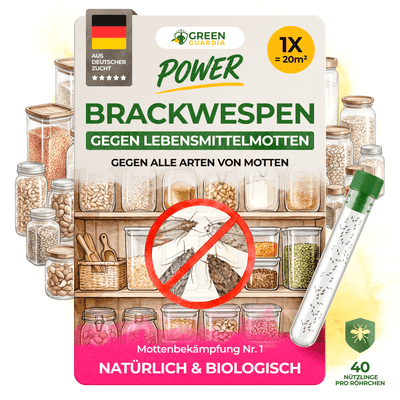
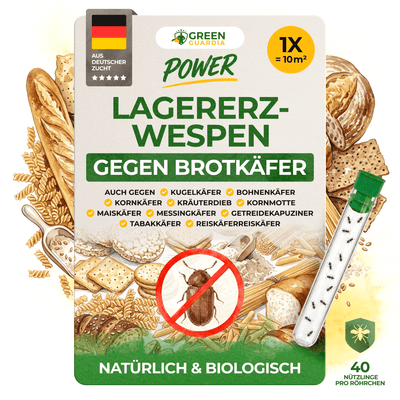
For targeted and sustainable support, trichogramma wasps against pantry moths are suitable – particularly useful as a supplement to monitoring in storage and dry areas.
Detecting beetles in the warehouse – localizing hotspots early
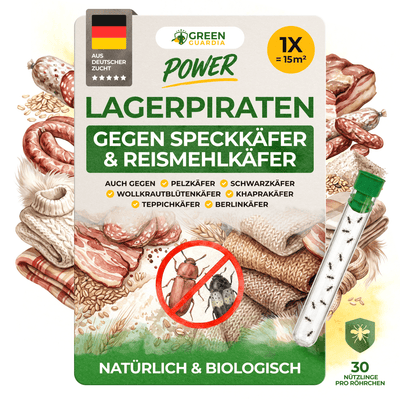
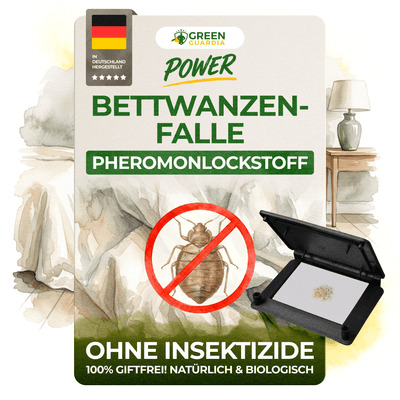
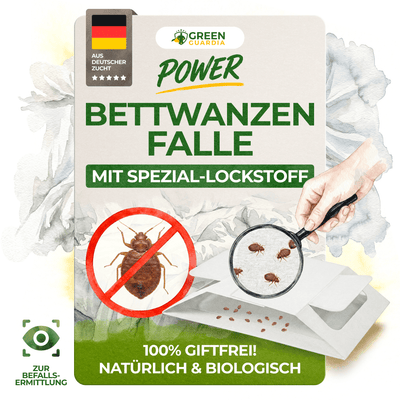
Beetles often appear when product dust, broken goods, or residue accumulate – frequently in edge zones, under pallets, or in areas that are hard to see. Here, monitoring helps to make infestation hotspots visible and to specifically steer cleaning and process measures.
For monitoring and infestation indication, beetle traps with special attractant are suitable – ideal for checking typical risk zones such as incoming goods, dry storage, order picking, or returns areas.
Prevention: Best practices for branches, warehouses & central distribution centers
Prevention is the most powerful tool in retail – because it can be integrated directly into routines. If you keep your processes lean and still check consistently, you reduce infestation risks in the long term and improve your product safety.
- Incoming goods inspection: visual inspection, sort out damaged packaging, keep batches cleanly separated
- FIFO/FEFO: minimize storage times, turn risk-prone goods faster
- Clean edge zones: consistently clean baseboards, pallet spots, and under shelves
- Returns management: define quarantine area, separate suspicious goods
- Monitoring plan: number traps, check weekly, document results
Practical tip: If you define 3–6 monitoring points per branch (dry shelf, warehouse, returns, waste/empty containers), you will spot trends early – and can adapt cleaning and process measures accordingly.
Frequently asked questions about pest control in retail
How can I detect pantry moths in wholesale and retail early?
Watch for webbing on cardboard boxes and shelf corners, for larval skins, as well as moth sightings in quiet areas (dry storage, warehouse aisles, returns). Fixed monitoring in risk zones helps to make trends visible early.
Which measures really help without disturbing operations?
The most effective method is a combination of consistency in incoming goods (visual inspection, clean separation), cleaning routines in edge zones, and monitoring. Additionally, unobtrusive, sustainable solutions can be used once hotspots are identified.
Why is monitoring with traps so important?
Monitoring shows you where activity is occurring – and whether measures are working. This allows you to specifically readjust, instead of acting extensively on a "hunch." This saves time, costs, and improves documentation.
What are typical hotspots in branches and warehouses?
Common hotspots are dry shelves, incoming goods areas, returns areas, pallet spots, waste/empty container areas, as well as areas under shelves and near baseboards – anywhere where dust, broken goods, or long storage times accumulate.
Conclusion: Effective pest control in wholesale and retail is based on fast material flow processes, clear checks, and targeted monitoring. If you detect hotspots early and act sustainably, you increase product safety, reduce losses, and increase long-term audit reliability.
Take action now: Start with a monitoring plan for your branch or warehouse and, if necessary, use suitable solutions such as trichogramma wasps against pantry moths and beetle traps with special attractant to detect infestations early and reliably protect your products.


