






































The Importance of Moth Traps in the Fight Against Moths
Household moths are more than just a nuisance – they can spoil pantry goods or damage fabrics. The problem: a moth infestation often goes unnoticed for a long time because the eggs and larvae are hidden. This is exactly where moth traps offer a major advantage: They help you detect an infestation early, reduce the pressure, and plan your next steps effectively.
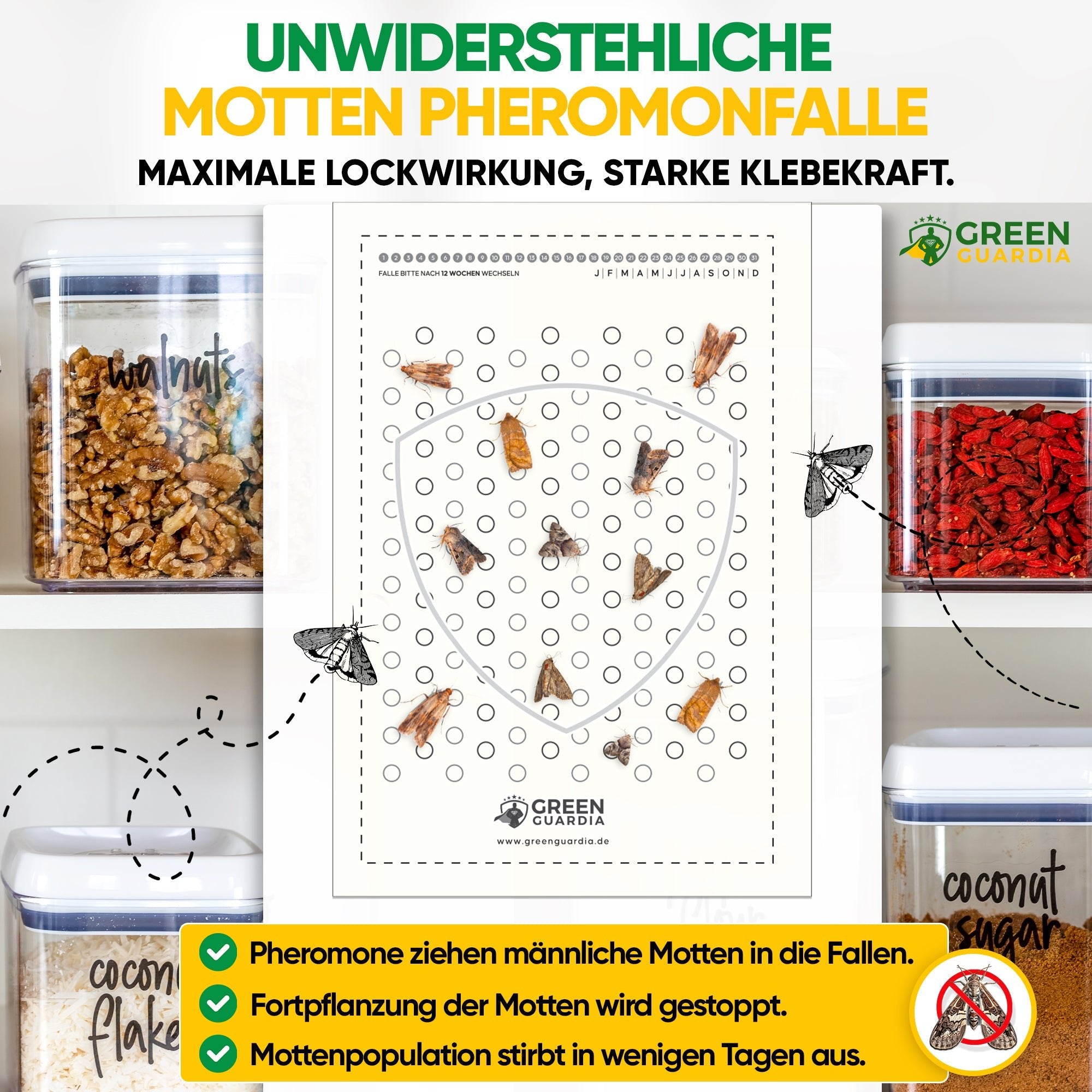
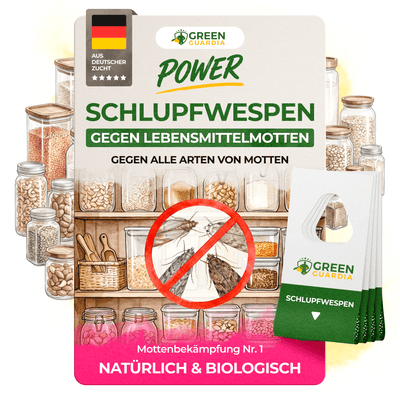
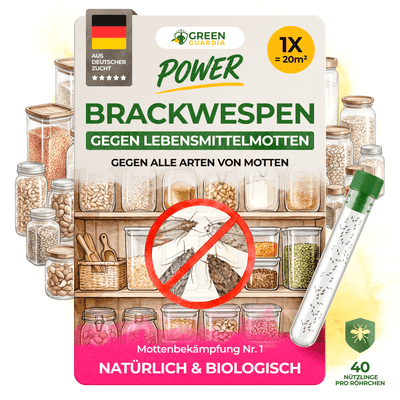
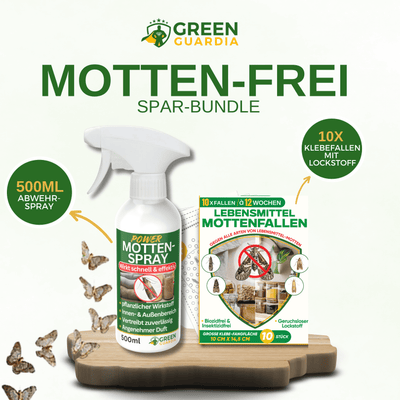
For quick, practical monitoring in your kitchen and pantry, our Pantry Moth Traps (10-pack value pack) are particularly suitable. If you also want to tackle the root cause in a sustainable way, moth traps can be combined very effectively with beneficial insects – such as Trichogramma wasps against pantry moths or Trichogramma wasps against clothes moths .
Causes: Why do moths enter the home in the first place?
Moths find their way into the house through various means – and the source determines which measures will actually help. Generally, there are two typical scenarios: pantry moths in food supplies and clothes moths in textiles.
- Newly purchased products: Flour, nuts, muesli, dried fruit, or pet food can contain eggs without your knowledge.
- Open storage: Cardboard boxes and thin packaging provide easy access for moths.
- Hidden niches: Cracks, cabinet seams, drill holes, or back panels are ideal breeding grounds.
- Textiles & natural fibers: Wool, felt, carpets, or rarely used clothing are especially attractive.
🐞 Tip: Moth traps are ideal for finding out if and where moths are active. For monitoring in the kitchen, our Pantry Moth Traps value pack is especially practical.
Detection: How to reliably identify a moth infestation
A moth infestation is tricky: you often don't see the source (eggs), but rather the consequences (larvae, webbing, feeding marks). Moth traps provide clear evidence here – without any guesswork.
- Flying moths in the kitchen, pantry, or wardrobe
- Webbing in packaging, corners, or on shelves
- Larvae (small, light-colored caterpillars) in food or on fabrics
- Holes/damage to natural fibers (wool, cashmere, felt)
Consistent monitoring is particularly worthwhile for pantry moths: With Pantry Moth Traps (10-pack value pack) you can cover multiple areas simultaneously – for example, the pantry cabinet, storage room, and the area where trash/pet food is kept.
Control: What role do moth traps really play?
Moth traps are not a "cure-all" – but they are an extremely important building block in a comprehensive control strategy. Their strength lies in three areas: monitoring, orientation, and reducing infestation pressure.
1) Moth traps for early detection (monitoring)
Often, an infestation is only discovered once it has been present for a while. Moth traps help you detect activity early – before it escalates. Especially in the kitchen, the rule is: the sooner you react, the easier the solution. For this, our Pantry Moth Traps value pack is excellent because you can test multiple spots in parallel.
2) Moth traps show you the infestation hotspot
You don't need to treat "the entire home" – you need to find the core. Traps help you identify the most active areas: which cabinet, which shelf, which corner is affected? This allows you to clean, sort, and plan your next steps in a more targeted way.
3) Moth traps reduce pressure – but do not replace root-cause elimination
Moth traps generally catch flying moths (mostly males). This can slow down reproduction but does not automatically solve the problem of existing eggs and larvae. This is exactly why the combination of traps + hygiene + targeted measures is so effective.
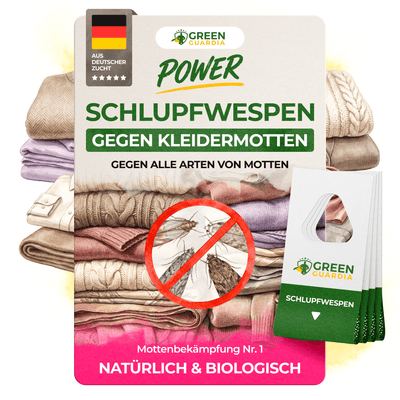
A proven addition is the use of beneficial insects that target the moth eggs – for example Trichogramma wasps against pantry moths for kitchens/pantries or Trichogramma wasps against clothes moths for textiles. Moth traps will continue to provide you with verification that activity is actually decreasing.
🐞 Tip: Always use moth traps as a "measuring device": when trap counts decrease, you are on the right track. For quick monitoring of food supplies, our Pantry Moth Traps (10-pack value pack) is ideal – and for persistent infestations, use Trichogramma wasps against pantry moths.
Prevention: How to stop moths from coming back
Moths are persistent – but with a clean system, you can significantly reduce the risk of recurrence. Moth traps also play a role here: as long-term monitoring in critical areas.
- Decant supplies: Glass or metal containers are significantly safer than cardboard/bags.
- Clean cabinet edges: Regularly clean crevices, drill holes, and back panels (also with a brush/vacuum).
- Check new products: Briefly inspect dry goods & pet food before storing them away.
- Store textiles airy: Keep natural fibers clean, dry, and not too densely packed.
- Set checkpoints: Regularly use a trap in the kitchen/pantry as an early warning system.
Especially as an "early warning system", our Pantry Moth Traps (10-pack value pack) is super practical, because you always have a reserve and can secure several zones at the same time.
Frequently asked questions about moth traps
What are moth traps most important for: control or detection?
Both – but their greatest strength is detection and monitoring. Moth traps show you if moths are active, where the hotspot is, and if measures are working. For the kitchen, our Pantry Moth Traps are particularly helpful.
Why is one moth trap often not enough?
Because moth traps usually only catch flying moths, not the eggs and larvae hiding away. This is why the combination of cleaning, proper storage, and – depending on the situation – beneficial insects like Trichogramma wasps against pantry moths is particularly effective.
Where is the best place to position moth traps?
For pantry moths: in the storage cabinet, pantry, near pet food or trash areas – but not directly next to open food. For clothes moths: in the closet, especially in dark, quiet areas. Important: place traps so that air can circulate.
How long should I leave moth traps out?
That depends on the product and the severity of the infestation. As a rule of thumb: at least until you no longer see activity over a period of time. After that, you can use traps as an early warning system in critical areas – e.g., with a supply of Pantry Moth Traps value pack.
What is a sensible solution for a severe infestation?
For a severe infestation, a system is most effective: find and remove the source of the infestation, clean thoroughly, use moth traps for monitoring, and additionally use beneficial insects – e.g. Trichogramma wasps against pantry moths or Trichogramma wasps against clothes moths.
Take action now:
If you really want to get a handle on moths, a clear plan is worth it: measure first, then act specifically – and then secure the area long-term. Moth traps are the perfect tool for this. Start with reliable monitoring in several areas, for example with the Pantry Moth Traps Value Pack (10-pack) . And if you also want to target the moth brood, combine as needed with Trichogramma wasps against pantry moths or Trichogramma wasps against clothes moths.