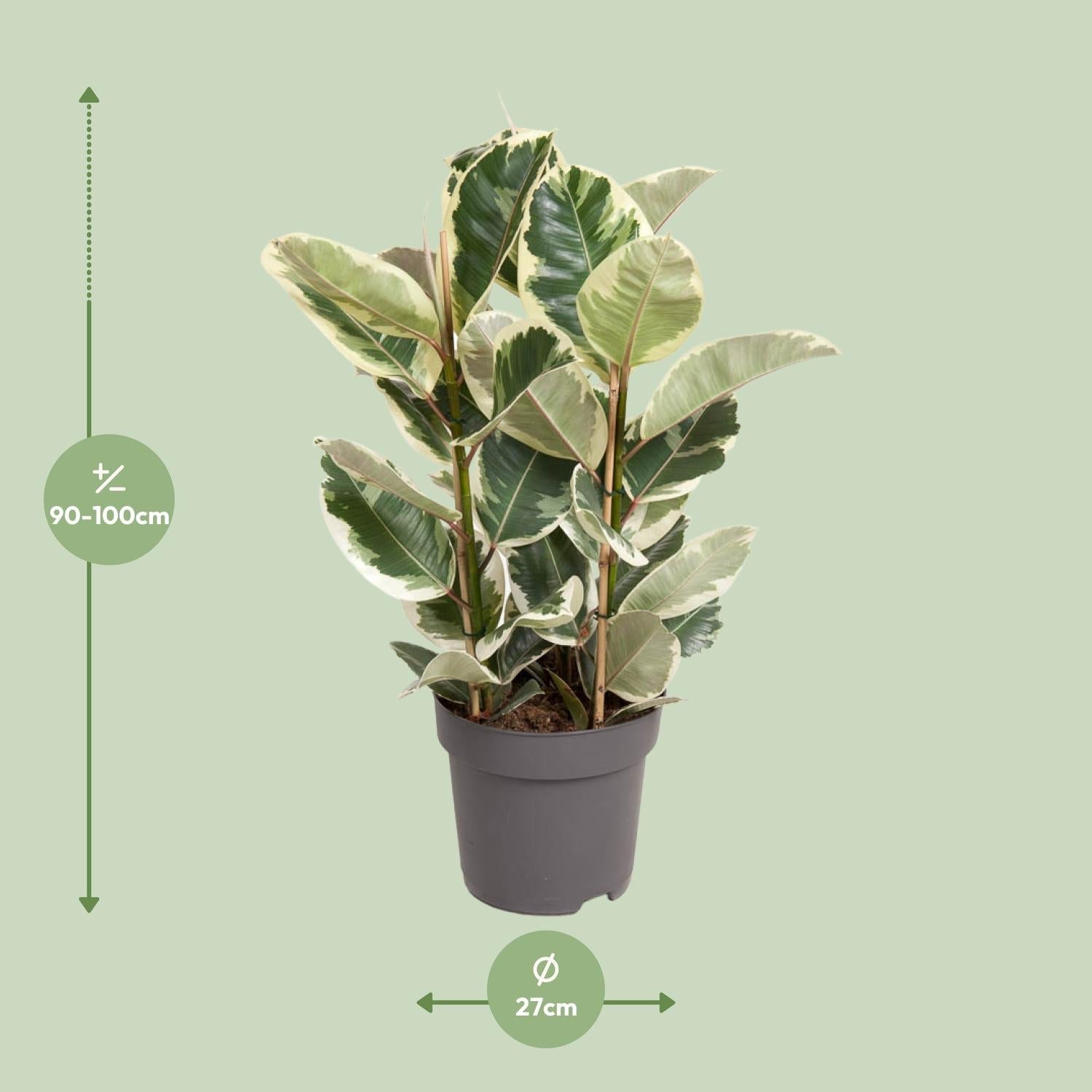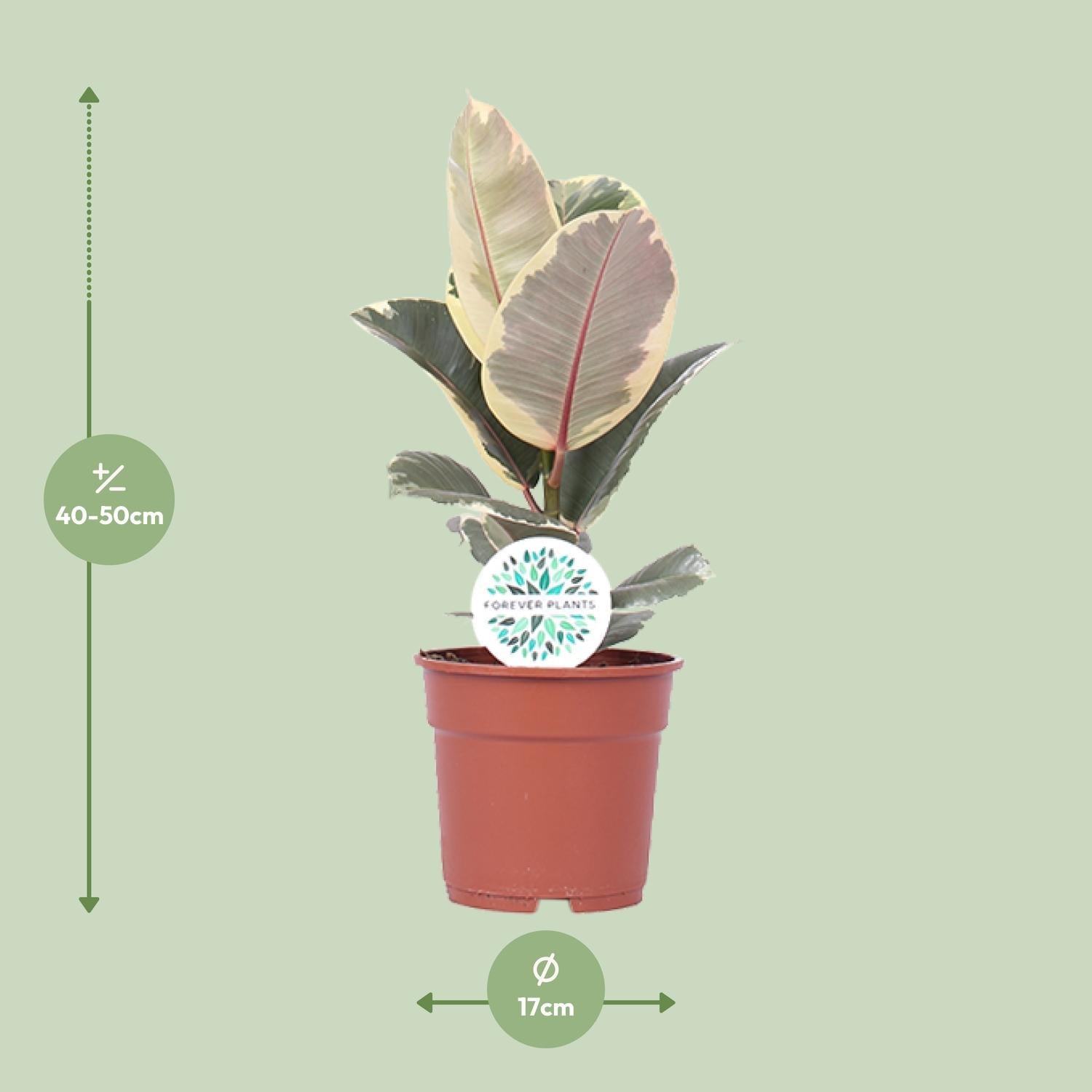






















































The Ficus elastica ‘Tineke’ is the modern, colorful answer to the classic rubber plant. With its spectacular variegation of creamy white, light green, and dark accents, the Ficus elastica Tineke looks almost as if it were painted by an artist. It is the ideal choice for those who want to set a bright design statement without sacrificing the robustness of a Ficus.
Origin & Characteristics
The original form of the rubber plant comes from the tropical forests of Asia, stretching from India to Indonesia. The ‘Tineke’ variety is a cultivar prized especially for its variegated leaves. As a member of the mulberry family, it also produces the characteristic white milky sap. In addition to its looks, the Tineke rubber plant impresses with its ability to efficiently purify indoor air.
Appearance & Growth
Characteristic of the Ficus elastica Tineke are its large, leathery leaves with their irregular, light patterns. As a houseplant, it grows upright and usually reaches a height of between 50 and 100 cm, though it can become significantly larger with ideal care. New leaves often emerge with a slight pinkish shimmer before taking on their final creamy-white coloration.
The Ideal Location for Ficus elastica Tineke
Where does the variegation shine brightest?
Light is crucial for this variety. The Ficus elastica Tineke location must be very bright so that the plant retains its light leaf markings. If kept in a location that is too dark, the leaves will “turn green” or the plant may even drop them. A spot with plenty of indirect light is ideal; direct midday sun should be avoided to prevent burning the light areas. Make sure the Ficus is protected from cold drafts.
Rubber Plant Care & Proper Watering
When caring for the Ficus elastica Tineke, a healthy balance is required when watering. The soil should be allowed to dry out on the surface between waterings. Waterlogging must be strictly avoided, as it leads to root rot. We recommend wiping the large leaves regularly with a damp cloth. This removes dust and ensures that the plant can optimally absorb light and “breathe.”
Common Problems & Solutions
Why does my Ficus Tineke have brown leaf edges?
Brown spots on the light parts of the leaves often indicate watering errors (too much or too little water) or low humidity. Direct midday sun can also “burn” the sensitive white areas. A consistent watering schedule and a bright, sheltered spot will help the plant stay stable.
Natural Care Support
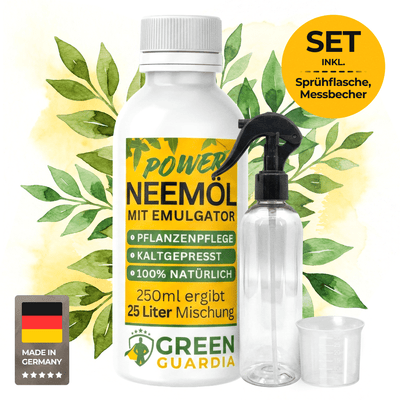
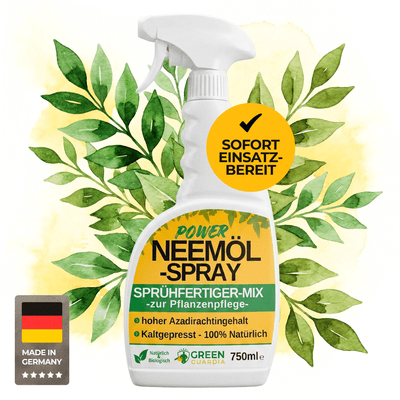
Especially in winter, dry heating air can cause stress, which encourages pests like scale insects. To strengthen plant health and as a supportive care measure, neem oil has proven effective. It cares for the glossy surfaces of your Ficus elastica Tineke in a natural way and preserves its vitality against external influences.
Propagation
Propagation is most successful using stem cuttings in the spring. A piece of stem with at least one leaf can be rooted in water or moist substrate. Be careful to catch the leaking milky sap with a cloth to avoid stains.
FAQ about the Tineke Rubber Plant
Is the Ficus elastica Tineke toxic to pets?
Yes, like all rubber plants, the Ficus Tineke contains substances that can be toxic to cats and dogs. The milky sap can cause irritation if it comes into contact with the skin or is ingested.
How often do I need to fertilize the rubber plant?
During the main growing season from March to September, the Ficus appreciates a dose of liquid fertilizer every two to four weeks. In winter, it does not require additional nutrients.
Why is my plant losing green leaves?
Often a location that is too dark or cold drafts are the cause. A sudden change of location can also lead to the shedding of healthy leaves. Give the Ficus time to get used to a new spot.
Take Action Now: Bring Home a Bright Eye-Catcher
The Ficus elastica ‘Tineke’ combines modern aesthetics with easy-care qualities. It is the perfect plant to fill dark corners (with sufficient additional lighting) or bright rooms with fresh energy. Would you like to brighten up your home with this variegated wonder? Discover our high-quality Ficus elastica Tineke now and bring stylish greenery into your life!
🌿 Tip: Rotate your Tineke regularly by 45 degrees so that it grows evenly towards the light and does not become lopsided. This helps it maintain its majestic, upright shape.