























































Effectively Controlling Cutworms: Natural Methods for Your Garden
Cutworms (the soil-dwelling larvae of various owlet moths) are sneaky: they often feed at night, hide in the soil during the day, and can cause damage to young plants that seems to appear "suddenly." If you want to control cutworms, a clear plan is key: understand the cause, reliably identify the infestation, take targeted action, and prevent future issues.
Causes: Where do cutworms come from?
Adult moths prefer to lay their eggs in low-lying vegetation—for example, on weeds, grasses, or plants near the edges of garden beds. The eggs hatch into cutworms, which hide in the upper layers of the soil and go looking for food at night. Young plants, freshly planted seedlings, and beds with many hiding spots (mulch, dense plant debris, weeds) are particularly at risk.
Typical factors that favor cutworms
- Dense ground cover (mulch, plant debris, weeds) acting as a hiding place
- Warm periods with high moth activity
- Many young plants in the bed (vegetables, lettuce, herbs)—especially after planting
- Lack of natural predators (e.g., ground beetles, birds)
Detection: How do you identify a cutworm infestation?
Cutworms often cause feeding damage near the surface of the soil. Particularly noticeable: plants look wilted in the morning, have fallen over, or have been chewed at the base of the stem. Since cutworms rest in the soil during the day, they are rarely seen directly—but the damage they leave behind is usually a reliable indicator.
Typical signs of cutworms
- Chewed stem bases (near the soil surface)
- Young plants tipping over or appearing to be "cut off"
- Irregular feeding damage on leaves, especially overnight
- Small dark droppings (frass) near the plant
- Larvae in the soil (0–5 cm deep), often curled up or hidden under mulch
🐛 Tip: Check your garden bed in the evening with a flashlight—that’s when cutworms are often active. During the day, it is worth carefully loosening the top layer of soil around damaged plants.
Control: Natural measures that really help
To reduce cutworm populations naturally, a combination of immediate direct action and soil-based treatment is particularly effective. This quickly lowers feeding pressure and sustainably protects sensitive crops.
1) Hand-picking & reducing hiding spots
- Hand-pick in the evening: You can often find the larvae directly at dusk.
- Thin out mulch: Overly thick mulch layers provide perfect hiding spots.
- Remove weeds: Especially near the edges of the bed, where moths love to lay eggs.
- Loosen the topsoil: Carefully crumble the soil around affected plants.
2) Effective soil treatment: Using SC nematodes
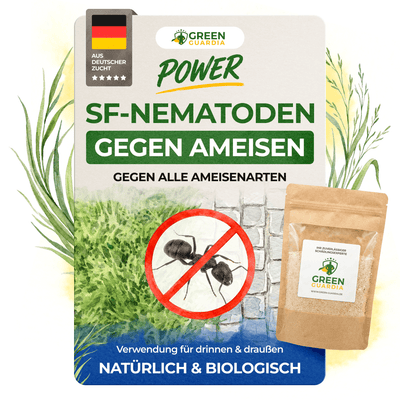
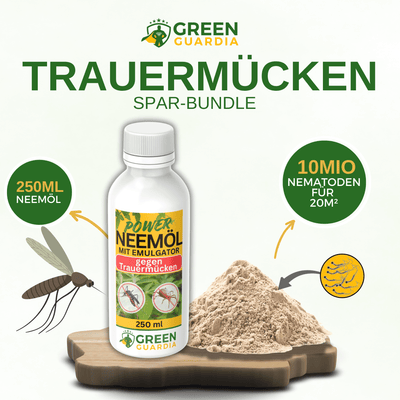
Since cutworms spend a lot of time in the upper soil layers, soil-based treatment can be particularly useful. One natural option is the use of SC nematodes. These are applied via irrigation water and help to sustainably lower the infestation pressure in problematic garden areas—ideal if you frequently see cutworms in your vegetable or raised beds.
Application: How to use nematodes correctly
- Water beforehand: The soil should be well moistened.
- Apply in the evening: Avoid UV light to ensure maximum effectiveness.
- Distribute evenly: Water the entire area, especially in affected sections.
- Keep moist: Do not allow the area to dry out in the following days.
If you are looking for a suitable, natural solution, you can find it here: SC nematodes against soil-dwelling larval stages. Combining targeted soil treatment with clean bed maintenance is particularly effective.
3) Protect young plants & limit damage
- Monitor sensitive seedlings closely during the first few days.
- Clean up bed edges: fewer egg-laying sites, fewer hiding spots.
- Promote strong plants (balanced nutrients, consistent water supply).
🌿 Note: If you want to control cutworms, the most effective approach is: Hand-picking + reducing hiding spots + SC nematodes for the soil.
Prevention: How to prevent cutworms in the long term
Good prevention focuses on the habitat: fewer hiding spots, fewer egg-laying surfaces, and a garden that supports natural predators. This keeps feeding pressure permanently low—even in warmer years.
Prevention checklist for cutworms
- Check regularly—especially after planting and during warm weather.
- Use mulch strategically: not too thick and not directly against the base of the stem.
- Keep bed edges clean: reduce weeds and grasses.
- Support beneficial insects (flowering areas, natural corners, no broad-spectrum chemical use).
- Keep soil moisture stable: water consistently rather than having large fluctuations.
- Targeted support: For recurring problems, SC nematodes can also be used preventively at the right time.
Frequently Asked Questions about Cutworms
When do cutworms eat the most?
Cutworms are mostly active at dusk and at night. During the day, they hide in the soil or under mulch. This is why damage often appears "overnight."
Which plants are particularly at risk?
Young plants (e.g., lettuce, cabbage, herbs, vegetable seedlings) are particularly sensitive. Damage to the stem base can cause plants to tip over or stop growing.
How do SC nematodes help against cutworms?
Since cutworms live near the soil, a targeted soil treatment can help reduce infestation pressure. SC nematodes are applied via water and require sufficient soil moisture—they are best applied in the evening and kept moist afterwards.
Can I get rid of cutworms permanently?
There is rarely a "100% forever" solution in gardening—but you can significantly and permanently reduce the infestation. Consistent monitoring, fewer hiding spots (mulch/weeds), promoting beneficial insects, and, if necessary, a targeted soil treatment at the right time are crucial.
Take action now:
Check your garden beds this evening, remove any visible cutworms, and reduce hiding spots on the ground. If the damage recurs or occurs particularly near the soil surface, the targeted use of SC nematodes is a natural, sustainable support—ideal when combined with clean bed maintenance and preventive measures.


