











































































Museum Pests: Effective Protection for Your Exhibits
Museums, archives, and collections face a unique challenge: museum pests can cause permanent damage to valuable exhibits made of textile, paper, leather, or wood. They often go unnoticed for a long time while already causing irreversible harm. In this guide, you will learn how museum pests occur, how to recognize them, and which natural measures help protect your exhibits.
Causes of Museum Pests
Museum pests are often introduced unnoticed—for example, via new exhibits, packaging materials, or textiles. Constant temperatures and minimal disturbances, which are common in exhibition and storage rooms, are particularly problematic.
- Organic materials such as wool, silk, paper, or leather
- Consistently warm room temperatures
- Low air circulation
- Long storage periods without inspection
Recognizing Museum Pests – Typical Signs
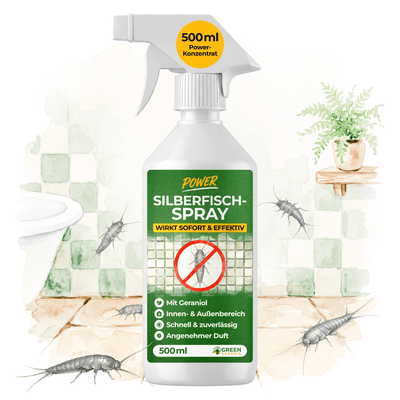
Early detection is crucial to minimize damage. The most common museum pests include clothes moths, fur beetles, and silverfish.
- Feeding holes in textiles or fabrics
- Fine webs or larval skins
- Loose fibers or powder under exhibits
- Flying moths in exhibition or storage rooms
Combating Museum Pests – Natural & Gentle Solutions
Special care must be taken when protecting cultural assets. Chemical agents can damage materials or leave behind residues. Therefore, museums are increasingly relying on biological and material-friendly methods.
- Quarantine of new objects before storage
- Regular visual inspections of sensitive materials
- Climate management to reduce conditions favorable to pests
- Use of beneficial insects as natural antagonists
For a targeted and museum-appropriate measure, trichogramma wasps against clothes moths have proven successful. These beneficial insects are highly specialized, leave no residue, and are particularly suitable for delicate exhibits.
Prevention: Avoiding Museum Pests in the Long Term
A sustainable prevention concept is the best protection for collections and exhibitions.
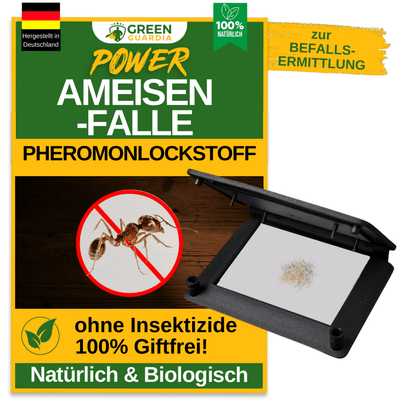
- Regular monitoring systems (e.g., pheromone traps for control)
- Documentation of infestation events
- Clean storage and exhibition rooms
- Staff training for early detection
Frequently Asked Questions About Museum Pests
Which museum pests occur most frequently?
The most common include clothes moths, fur beetles, drugstore beetles, and silverfish—especially in organic materials.
Are biological solutions safe for museums?
Yes. Biological beneficial insects are material-friendly, residue-free, and specifically targeted at individual pests.
How often should exhibits be inspected?
Depending on the material and environment, a visual inspection every four to eight weeks is recommended.
Conclusion: Museum pests pose a serious risk to cultural assets. With early detection, preventive measures, and the targeted use of beneficial insects, you can protect your exhibits sustainably and responsibly.


