

































Redcurrant (Ribes rubrum) – Care, location & harvest tips
Juicy, slightly tart, and full of vitamins: The redcurrant (botanically Ribes rubrum) belongs in every fruit garden. The 'Jonkheer van Tets' variety is particularly popular with gardeners, as it ripens very early and impresses with its long bunches. In this guide, you will learn how to successfully care for your currants and what is truly important when caring for redcurrants.
Origin & Characteristics
Ribes rubrum is native to Central and Eastern Europe and is therefore perfectly adapted to our climate. When you buy a redcurrant (Ribes rubrum), you get a robust, hardy shrub that provides reliable yields for many years. The 'Jonkheer van Tets' variety also features good resistance to diseases.
Appearance & Growth
Currants grow as deciduous shrubs with lobed, aromatic leaves. With a delivery size of approx. 40 cm as a double pack, the 2 currant plants are ideally prepared to get started in your garden or in a large container. They flower inconspicuously in the spring, but then develop their characteristic red berry clusters.
The ideal location for currants
Where does the Ribes rubrum feel most at home?
Light is crucial for the flavor. The berries only develop their full sweetness with sufficient sun.
- Light: Full sun to partial shade. Full sun locations promote vitamin content.
- Soil: Nutrient-rich, deep, and consistently moist. Heavy clay soils should be loosened with sand or compost.
- Protection: A sheltered spot prevents the branches from breaking under the heavy load of fruit.
Maintenance & Watering: Caring for redcurrants
Water requirements and nutrients
Currants have shallow roots and are therefore sensitive to drying out. When caring for redcurrants, you should pay special attention to consistent watering during flowering and fruit formation. A mulch layer of organic material helps to keep moisture in the soil and protects the surface-level roots of your currant.
Typical problems & solutions
Why does the currant have red blisters or curled leaves?
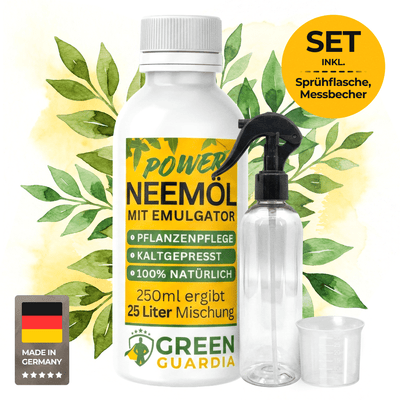
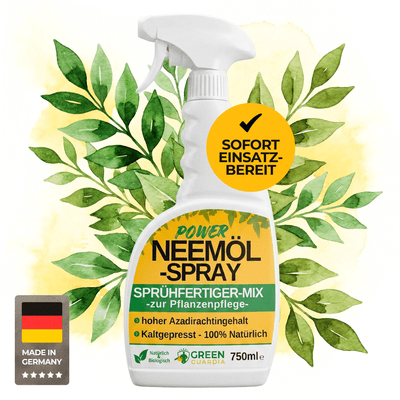
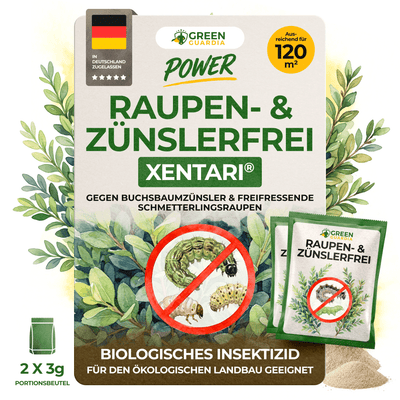
Curled leaves often indicate aphids, while red blisters can be a sign of the currant blister aphid. To support plant health, you can use natural care products that strengthen the tissue. For powdery mildew, an airy location and watering directly at the root helps to keep the leaves dry.
🍒 Pruning tip: Currants bear the best fruit on one- to three-year-old shoots. Prune older, dark-colored branches near the ground in late winter to create space for young, productive wood.
Prevention & long-term care
Fertilize your berry bushes in early spring with compost or berry fertilizer. To sustainably promote vitality and increase resistance to environmental influences, biological, nature-based plant strengtheners can be helpful. These ensure strong cell walls and lush green foliage.
FAQ about redcurrants
When can I harvest the currants?
The 'Jonkheer van Tets' variety is an early variety. The main harvest time often begins at the end of June ("around St. John's Day"). The berries are ripe when they are deep red and slightly shiny.
Is the Ribes rubrum self-pollinating?
Yes, redcurrants are self-pollinating. However, you will achieve a higher yield if you plant two plants together, as pollination will be even more effective.
Can I keep currants in a container?
Absolutely! Make sure to use a pot with a volume of at least 20 liters and good drainage to avoid waterlogging. Regular fertilization is especially important in a pot.
Take action now:
The redcurrant is the perfect choice for anyone looking for a low-maintenance and productive crop. Whether fresh from the bush, in yogurt, or as jelly – Ribes rubrum brings healthy enjoyment to your garden. Treat your bushes to a sunny spot and regular care, and they will reward you with a rich harvest of berries for years to come.
Bring the berry joy home! Order your vital set of 2 redcurrants (Ribes rubrum) from us now and start your fruit garden project!