






































Areca Palm – Care, Location & Tips for the Dypsis Lutescens
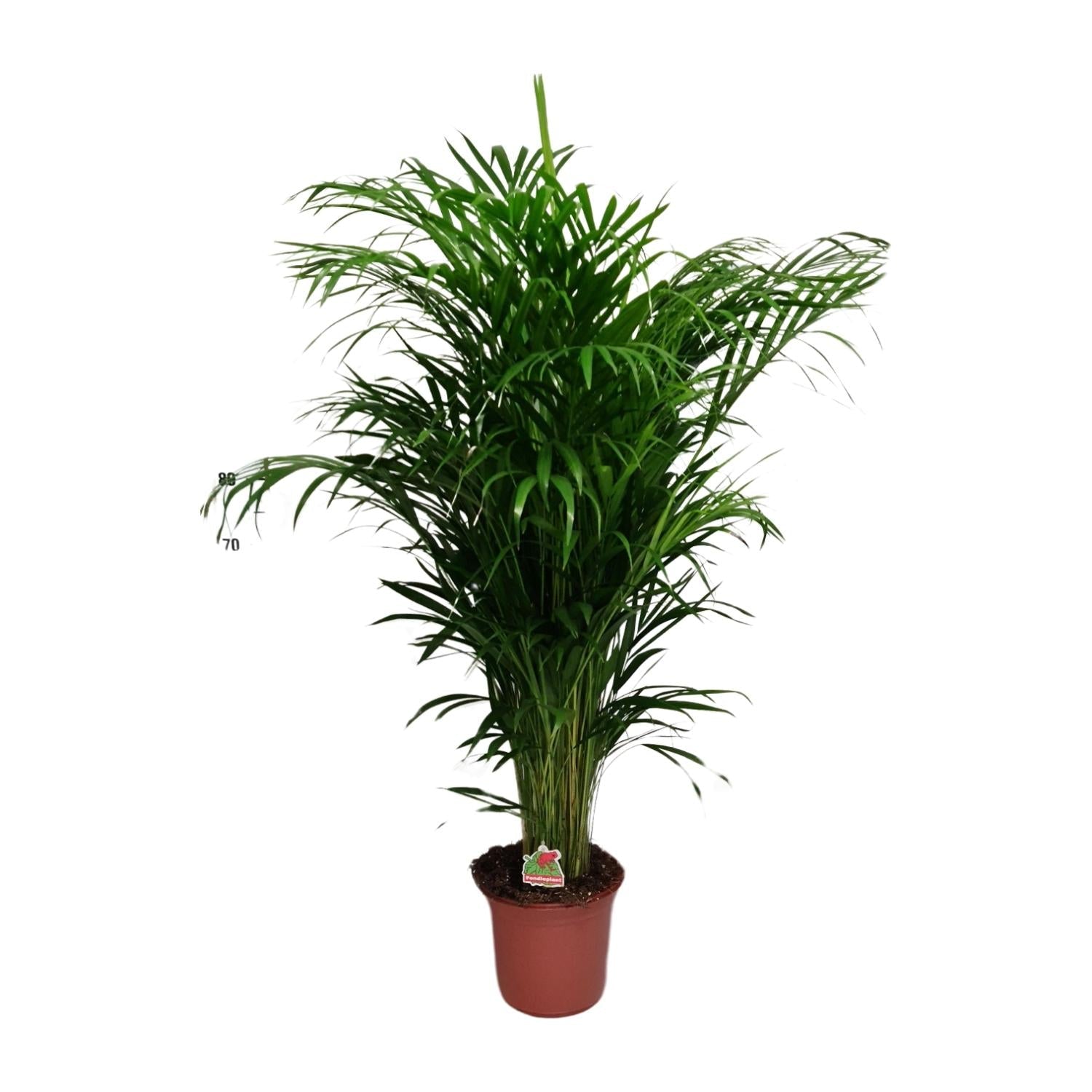
Bring that holiday feeling straight into your living room! The Areca Palm, botanically known as Dypsis Lutescens or Golden Cane Palm, is one of the most popular houseplants in the world. With its delicate, fan-like fronds, it not only provides an exotic look but is also considered one of the most efficient natural air humidifiers and pollutant filters for your home.
Origin & Characteristics
The Dypsis Lutescens originally hails from the humid, warm regions of Madagascar. There, it often grows in clusters, forming dense, palm-like bushes. A special feature of the Areca Palm is its ability to release large amounts of moisture through its leaves, which noticeably improves the indoor climate, especially in dry office spaces.
Appearance & Growth
The palm is multi-stemmed and develops long, curved fronds covered with many narrow, individual leaves. Depending on its age and care, the Areca Palm can reach an impressive height of 40 to 125 cm or more in our homes. Its golden-yellow stems have earned it the common name "Golden Cane Palm."
The Ideal Location for an Areca Palm
How much light does the Golden Cane Palm need?
For the Dypsis Lutescens to thrive magnificently, the right location is crucial. It loves bright conditions but is sensitive to overly harsh environments.
- Light: Very bright, but without direct midday sun, as this can burn the fronds.
- Temperature: Warm year-round (at least 18 °C). Cold drafts should be avoided at all costs.
- Humidity: As a tropical plant, it appreciates high humidity. A spot in a bright bathroom is often ideal.
Care & Watering: Caring for your Areca Palm
How often should the Dypsis Lutescens be watered?
Consistency is key when caring for an Areca Palm. The root ball should be kept consistently moist but should never sit in water. Waterlogging inevitably leads to root rot. We recommend regularly misting the plant with lime-free water to keep the tips of the fronds fresh.
Typical Problems & Solutions
Why does the Areca Palm get brown tips?
Brown leaf tips on palms are often a sign of indoor air that is too dry or irregular watering. If the leaves turn yellow all over, this can indicate a nutrient deficiency or a location that is too sunny. Regularly check the soil moisture of your Dypsis Lutescens to prevent stress reactions early on.
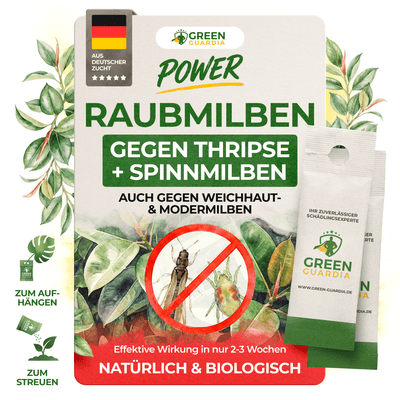
🌴 Care tip: Regularly showering the fronds with lukewarm water removes dust and prevents pests like spider mites, which love to settle on palms, especially in dry heating air.
Prevention & Long-term Health
Use loose, well-draining substrate for your palm. During the growth phase from April to September, the Dypsis will appreciate a monthly dose of palm fertilizer. To promote natural resilience, you can support the plant with gentle, organic plant strengtheners.
Frequently Asked Questions about the Areca Palm
Is the Areca Palm toxic to pets?
No, the Dypsis Lutescens is considered non-toxic to cats and dogs. It is therefore an excellent choice for households with animal companions.
Can I just cut off brown fronds?
Yes, but only once they have completely dried out. Do not cut into the healthy green tissue; instead, leave a small brown remnant to avoid damaging the stem.
How often should I repot the palm?
Areca palms prefer to be a bit snug in their pots. Repotting is usually only necessary every 2 to 3 years when the roots visibly fill the pot.
Take action now:
The Areca Palm is much more than just a houseplant – it is a living design element that brings calm and freshness into your everyday life. With the right balance of light and humidity, it will beautify your home for many years. Observe your plant closely and treat it to an occasional wellness session with lime-free water.
Are you ready for your own personal jungle? Order your magnificent Areca Palm from us now and benefit from a healthier indoor climate!