


































Spathiphyllum – Care, Location & Tips for the Peace Lily
The Spathiphyllum, commonly known as the Peace Lily or Spath, is the epitome of functional beauty. With its elegant white bracts and deep green foliage, it is not just a visual highlight, but also one of the most effective air-purifying plants in the world. In this guide, you will learn how to successfully care for your Spathiphyllum and what makes it so special.
Origin & Characteristics
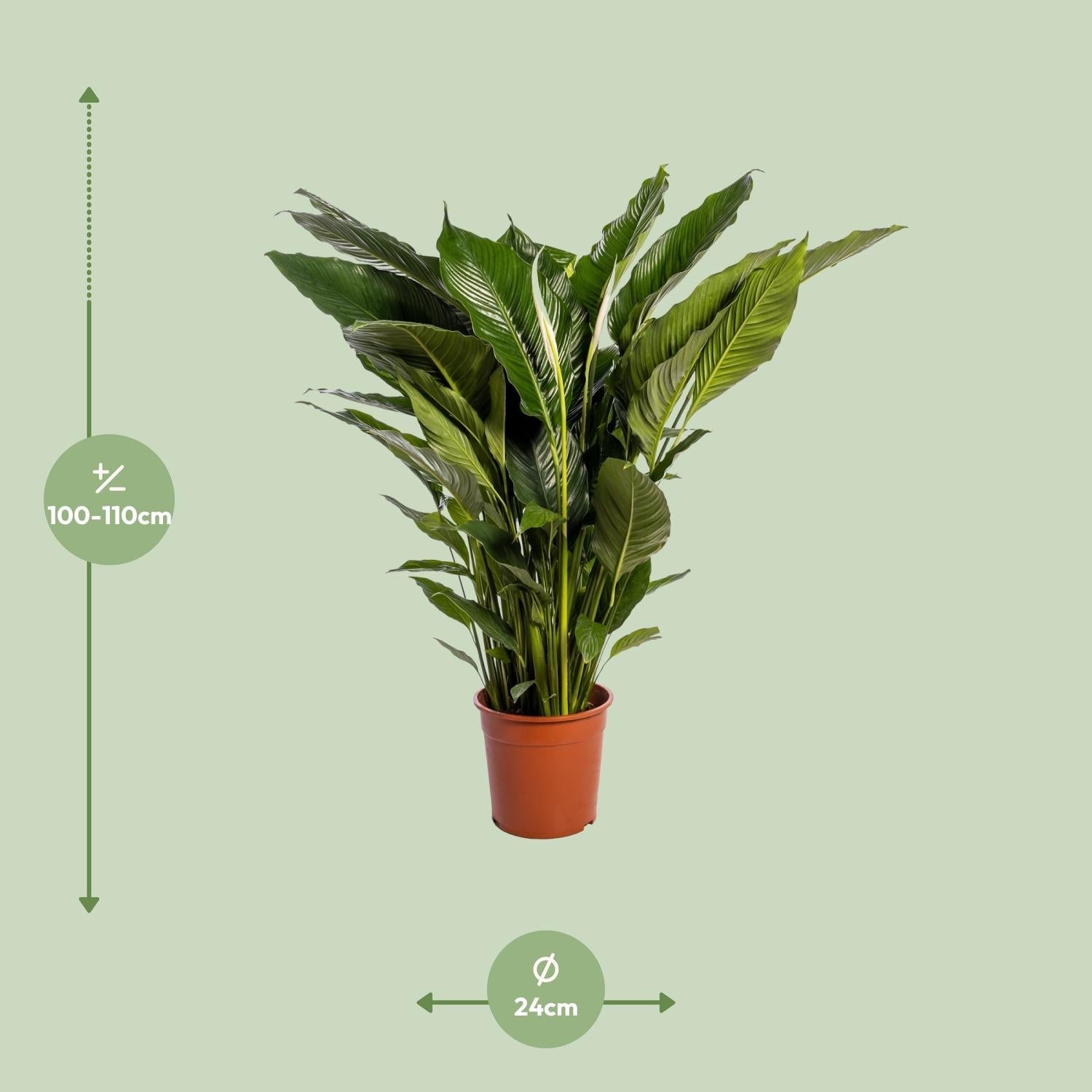
The Peace Lily originates from the shady rainforests of South America and the Western Pacific. There, it grows in the damp undergrowth, which makes it perfectly adapted to lower-light spots in your home. If you bring a Spathiphyllum Sweet Silvana into your space, you will benefit from its ability to filter pollutants like benzene and formaldehyde from the air.
Appearance & Growth
Characteristic of the Peace Lily are the shiny, lance-shaped leaves that grow directly from the rootstock. The striking white blooms are actually bracts that enclose the yellowish spadix. A Spathiphyllum grows in a bushy and compact manner, with the size varying by variety – the Sweet Silvana is particularly captivating for its harmonious form.
The Ideal Location for a Peace Lily
Where does the Peace Lily thrive best?
A lack of light is rarely a problem for the Spathiphyllum, but the right spot is crucial for abundant blooming.
- Light: Bright to semi-shaded. Direct, harsh midday sun should be avoided as it can burn the leaves.
- Temperature: Warm all year round (18–25 °C). In winter, the temperature should not drop below 15 °C.
- Humidity: As a tropical plant, it loves high humidity – bathrooms or regular misting are ideal.
Care & Watering: Caring for your Spathiphyllum
How much water does the Peace Lily need?
When caring for your Spathiphyllum, the plant will tell you its needs quite clearly: if it is thirsty, it will dramatically droop its leaves. The substrate should be kept consistently moist. It is best to water the Spathiphyllum with room-temperature, lime-free water. However, avoid waterlogging to prevent root rot.
Typical Problems & Solutions
Why does my Peace Lily have brown leaf tips?
Brown leaf tips often indicate low humidity. If the leaves turn yellow, it is usually a watering issue (too wet or too dry) or a nutrient deficiency. If it fails to bloom, your Peace Lily is likely standing in a spot that is too dark.
🌿 Expert Tip: Wipe the leaves regularly with a damp cloth. Dust-free leaves can absorb more light and clean the air even more effectively!
Prevention & Long-term Care
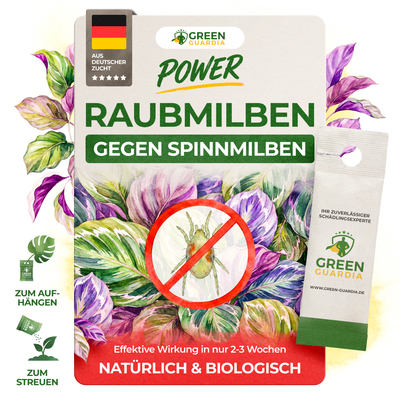
Use high-quality, loose potting soil. During the growth phase from spring to autumn, we recommend fertilizing every two weeks. To support plant health and prevent pests like spider mites (which love dry heating air), you can use natural leaf care products.
Frequently Asked Questions about the Peace Lily
Is the Spathiphyllum toxic to cats?
Yes, the Peace Lily contains calcium oxalate crystals that can cause mucous membrane irritation if ingested. It should therefore be placed out of reach of pets.
Why are the white flowers turning green?
This is a completely natural process at the end of the flowering period. The bracts turn green before eventually drying out. You can then simply cut the stem off low down.
How often do I need to repot my Peace Lily?
About every two years in the spring. If the roots are already growing out of the drainage holes, it is definitely time for a larger pot.
Take Action Now:
The Spathiphyllum is the perfect choice for anyone looking for an uncomplicated plant with real value for the indoor climate. With its timeless elegance, it enhances any room and provides you with fresh, purified air every day. Ensure consistent moisture and a semi-shaded spot, and your Peace Lily will be with you for many years to come.
Bring freshness into your home! Order your healthy Spathiphyllum Sweet Silvana from us now and enjoy pure green harmony!