

















































Cutworms: Identify damaged seedlings & protect your garden
Cutworms are the larvae of certain moths that live in the soil. Young plants are particularly at risk: overnight, stems are eaten through near the ground, causing seedlings to tip over or vanish completely. With the right beneficial organism, you can target and contain the infestation.
What are cutworms?
Cutworms are the soil-dwelling larvae of various species of owlet moths (Noctuidae). During the day, they hide in the soil; at night, they come to the surface and feed on stems and leaves. They can cause major damage, especially in spring and early summer.
How to recognize an infestation
- Stems cut off or snapped near ground level
- Seedlings found wilted on the ground in the morning
- Irregular feeding damage on leaves
- Dark caterpillars that curl up when disturbed
- Larvae found a few centimeters below the soil surface
Which plants are particularly affected?
- Lettuce, cabbage, cucumbers, pumpkins
- Tomatoes, peppers, corn
- Ornamental plants and young plants
- Freshly planted or seeded crops
Why do cutworms appear?
- Moths laying eggs on bare soil
- Mild winters allow larvae to survive
- Loose, undisturbed soil
- Many young plants in a short space of time
The perfect beneficial organism: Nematodes
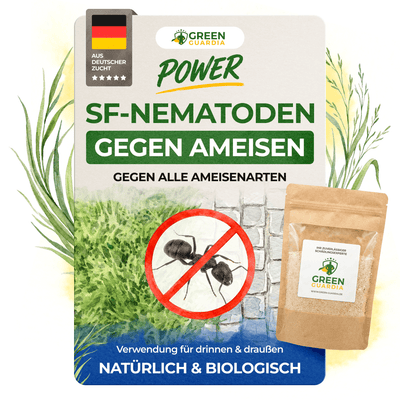
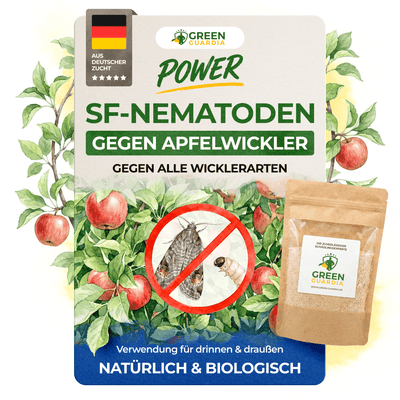
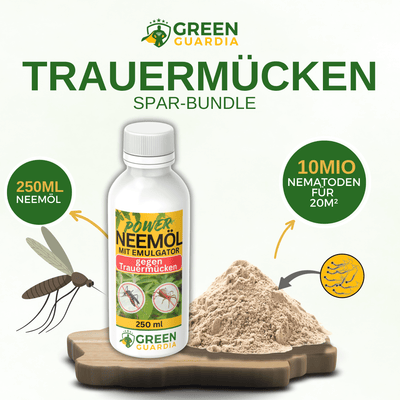
Nematodes (beneficial microscopic worms) are the most effective natural solution against cutworms. Species such as Steinernema carpocapsae, which actively hunt for soil-dwelling larvae, are particularly suitable.
Why nematodes are ideal for cutworms
- They find the larvae directly in the soil
- Effective even against nocturnal, hidden larvae
- Reliably interrupt the development cycle
- Harmless to humans, pets, and plants
Important application tips
- Moisten the soil well before and after application
- Apply in the evening or on overcast days
- Apply when larvae are active (usually spring/early summer)
Cutworm FAQ
Why are young plants especially affected?
Young stems are soft and easily eaten through. A single feeding event is often enough to kill the plant.
When is the best time to use nematodes?
As soon as initial damage appears and the caterpillars are active – usually from spring to early summer.
Can the infestation happen again?
Yes, due to new egg-laying. Regular monitoring and early action help keep damage to a minimum.
How can I prevent them?
Keep soil loose, protect plants (e.g., use small collars), monitor early, and use nematodes promptly if necessary.