







































Root Mites: How to Identify Substrate Pests & Protect Roots Naturally
Root mites are tiny mites that live in the substrate and can feed on fine roots, bulbs, or weakened plant tissue. Often, the first signs are non-specific symptoms: stunted growth, wilting despite watering, or an overall weak appearance. Plants in permanently damp substrate or with pre-damaged roots are particularly susceptible. Here, you'll learn how to identify root mites and which beneficial insects and measures can help.
What are root mites?
Root mites are soil-dwelling mites that primarily occur in moist, organic substrates. They can feed on fine roots and bulbs/tubers – especially when the plant tissue is already weakened or damaged. As a result, plants struggle to absorb water and nutrients.
How to identify an infestation
- Stunted growth, weak development, “tired” plant
- Wilting despite sufficient watering
- When digging up/checking the pot: damaged, brown, or mushy fine roots
- In case of severe infestation: fine “crawling” in the substrate near the roots
- Often occurs together with waterlogging or root rot
Which plants are often affected?
- Bulb and tuber plants (depending on species/location)
- Potted plants in permanently damp substrate
- Young plants with sensitive fine roots
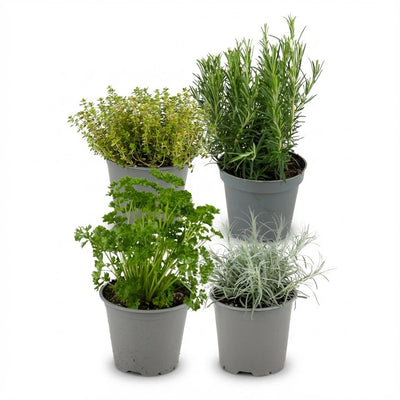
- Potted herbs (particularly susceptible to waterlogging)
Why does an infestation occur?
- Substrate that is too wet, waterlogging, poor drainage
- Compacted soil, lack of air at the roots
- Pre-damaged roots (e.g., due to repotting stress)
- Old, heavily decomposed organic substrates
Beneficial insects for root mites
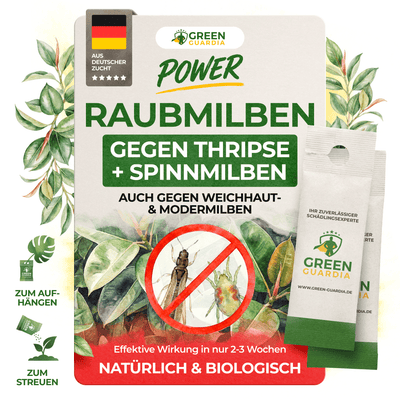
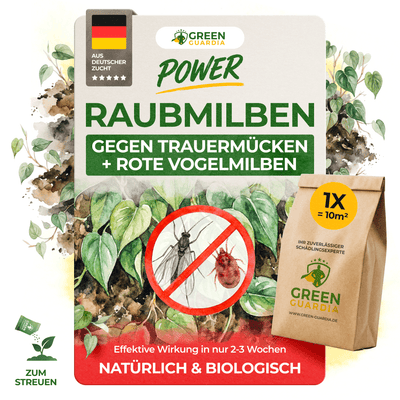
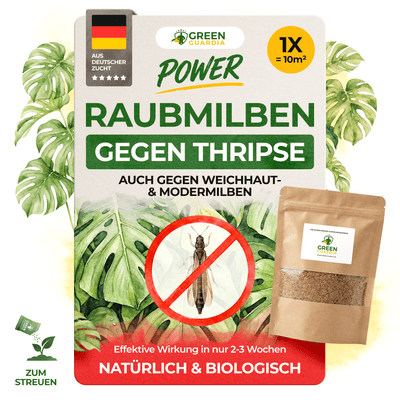
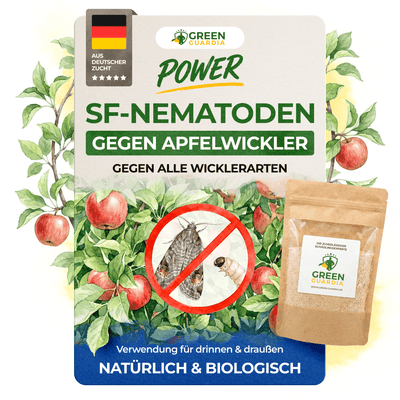
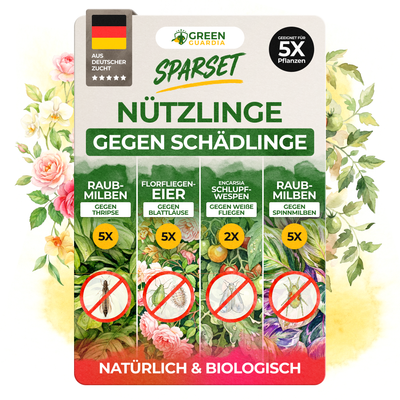
Predatory mites provide natural support against soil-dwelling mites. They hunt small soil organisms and can help stabilize the balance in the substrate – especially if you address the root cause (excess moisture) at the same time.
- Predatory mites (soil-dwelling species) – as natural antagonists in the substrate
What to do in case of infestation? (natural & sensible)
1. Check substrate & roots
- Remove the plant from the pot and inspect the roots
- Carefully remove mushy/dead roots
- Clean the pot (especially if reusing)
2. Repot & improve drainage
- Repot into fresh, airy substrate
- Check drainage layer/drainage holes
- Do not let the saucer sit full of water
3. Adjust watering habits
- Only water once the top layer has dried out (depending on the plant)
- Water evenly, but not too frequently
- Ensure air circulation and suitable locations
FAQ about root mites
Are all mites in the substrate harmful?
No. Many soil mites are harmless or part of a healthy soil ecosystem. It becomes a problem when root damage and clear plant symptoms occur.
Why is the plant wilting despite watering?
If fine roots are damaged (mites, waterlogging, rot), the plant is less able to absorb water.
What is the most important first step?
Check the substrate/roots and eliminate waterlogging. Repotting into airy substrate is often the game changer.
How can I prevent it?
Good drainage, proper watering, fresh substrate, and regular inspection – especially for potted plants.